What to expect during your home visit
Your physiotherapy assessment is a relaxed and supportive visit that helps us understand how you manage day‑to‑day activities in your own surroundings, whether that’s at home or in a care setting. We’ll chat about how things are going for you and look at how you move around in your usual environment. The focus is on finding simple, practical ways to help you move more easily, stay safe, maintain your independence, and enjoy the best possible quality of life. Every visit is friendly, person‑centred, and tailored to what matters most to you.

1. Initial conversation - getting to know you
I’ll begin by having a relaxed chat with you to get a good understanding of your health and overall well‑being. We’ll talk about things like any health conditions you may have, previous falls, pain, how you get around, and how you manage everyday activities. This helps me tailor the physiotherapy to your individual needs and what matters most to you. I’ll also give you a consent form, so you feel fully informed and comfortable with what to expect from our sessions together.

2. Movement and physical assessment
I’ll then carry out a gentle movement and physical assessment, observing things such as your strength, range of movement, balance, mobility, transfers, pain levels, and cognition if needed. I’ll use simple outcome measures to help track your progress and review how things are improving at each session.

3. Home environment and safety
A key part of the home visit is looking at how your surroundings may affect your mobility and safety. I’ll take time to review things such as entrances, steps or stairs, flooring and rugs, lighting, and access to important areas like your bedroom and bathroom. I’ll also look at any equipment you’re already using and discuss whether any additional support or equipment might help improve your safety, comfort, and independence at home.
4. Exercise and rehabilitation plan
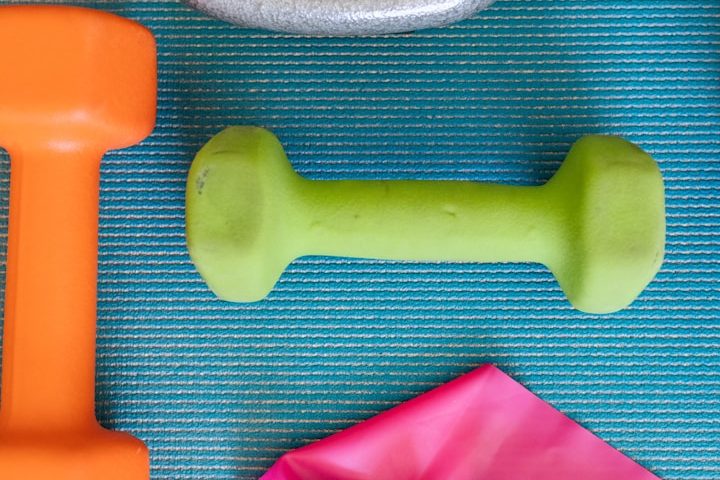
Depending on your needs, I may put together a personalised exercise plan for you. This could include simple strength, balance, or mobility exercises that I’ll demonstrate and practise with you during the session. You’ll then be given a clear, easy‑to‑follow exercise sheet to support you at home, provided in the format that suits you best, such as a paper copy or by email.

5. Setting meaningful goals together
A very important part of our sessions will be working together to set clear and meaningful goals using the SMART approach (specific, measurable, achievable, realistic, and timely). This helps guide your rehabilitation and ensures the therapy is focused on what matters most to you. As we continue working together, we’ll regularly review your goals, celebrate those you’ve achieved, and adjust or set new ones as needed to keep your progress on track and ensure your care remains fully person‑centred.

6. Agreeing next steps and follow‑up care
At the end of the session, I’ll talk with you about the next steps and how often follow‑up appointments may be helpful. We’ll make sure any future sessions are arranged at times that are convenient for you. Working together is a big part of successful rehabilitation, and your involvement plays an important role in your progress. Staying engaged and motivated will help you move towards your goals, and I’ll be there to support, encourage, and guide you throughout your rehabilitation journey. Let’s get started!