
How Can a Physiotherapist Help an Older Person Feel More Confident with Gardening?
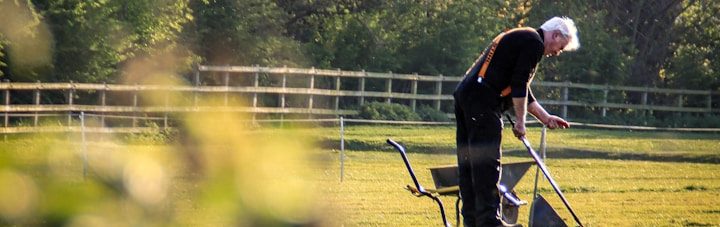
Gardening is one of the most enjoyable and rewarding hobbies to continue later in life. It encourages gentle movement, provides time outdoors, and offers a real sense of purpose. For many people, spending time in the garden has long been part of daily life. However, as we get older, changes such as joint stiffness, reduced balance or a fear of injury can make gardening feel more demanding than it once did.
This is where physiotherapy can make a real difference. A physiotherapist helps older adults maintain strength, improve mobility, and rebuild confidence so they can continue enjoying time in the garden safely. Physiotherapy focuses on how the body moves during everyday activities. Gardening involves a wide range of movements including bending, lifting, twisting, kneeling and reaching. With the right guidance, these movements can become easier and safer.
Why gardening can become more challenging with age?
Many older adults reduce or stop gardening not because they no longer enjoy it, but because physical changes make it harder to manage. Common difficulties include reduced flexibility when bending or kneeling, back pain caused by prolonged forward posture, reduced balance on uneven ground, weaker grip strength when using tools, and worries about falling or getting hurt.
Over time, these challenges can affect confidence. When pain or fear of falling begins to take over, people may pull back from the activities they love, including gardening.
Building strength for everyday gardening tasks
Gardening places a range of demands on the body. Tasks such as lifting pots, carrying watering cans, digging or pushing a wheelbarrow all require strength and control. A physiotherapist can prescribe specific exercises to support the muscles most needed for these activities.
This often includes strengthening the legs and hips to make squatting and kneeling easier, improving core strength to protect the back, and building strength in the arms and shoulders to help with lifting and reaching. Stronger muscles reduce the load on joints and make tasks feel lighter and more manageable.
Improving balance and stability
Gardens are rarely flat or predictable. Grass, gravel, raised edges and stepping stones can all challenge balance. Targeted balance training can help older adults feel steadier and more confident when moving around outdoors.
Physiotherapists often use exercises such as standing on one leg, heel to toe walking, and controlled stepping practice. Improving balance not only builds confidence but also significantly reduces the risk of falls.
Managing pain and stiffness
Conditions such as arthritis or long-term back pain can understandably reduce confidence in the garden. Physiotherapy can help manage these conditions through gentle mobility work to reduce stiffness, strengthening exercises to support the joints, and advice on how to pace activities to avoid flare ups.
With the right approach, many people find they are able to continue gardening comfortably without worsening their symptoms.
Rebuilding confidence after injury or a fall
Loss of confidence is often the biggest obstacle. After a fall or injury, it is common to feel anxious about returning to physical activity. Physiotherapists work with individuals to rebuild confidence gradually by setting achievable goals, increasing activity levels step by step, and practising movements that closely resemble real gardening tasks.
This gradual progression helps people feel safer, more capable, and more in control of their bodies.
Practical tips to make gardening easier
Alongside physiotherapy, a few simple changes can make gardening far more comfortable and enjoyable. Raised garden beds reduce the need to bend, lightweight tools with comfortable handles are easier to manage, and kneeling pads or gardening stools protect the joints. Breaking gardening into shorter sessions with regular rest can also make a big difference.
These small adjustments help protect the body while allowing people to continue doing what they love.
The benefits go beyond the garden
Gardening offers many benefits that extend well beyond physical exercise. Staying active through a hobby like gardening supports physical fitness, improves mental wellbeing, reduces feelings of isolation, and helps maintain independence.
Physiotherapy plays a key role in helping older adults continue to enjoy these benefits by supporting safe and confident movement.
Final thoughts
Gardening should be an activity that people can enjoy throughout their lives. With the right support, exercises and practical advice, physiotherapy can help older adults feel stronger, safer and more confident in their gardens.
If gardening has started to feel more difficult, speaking to a physiotherapist may be the first step towards getting back outside and enjoying the garden again.
Practical tips
If this topic has resonated with you, we have shared a short post on our Instagram page highlighting some simple ways physiotherapy can support confidence in the garden. It is a quick and easy read, with practical tips that may help you or someone you care for feel more comfortable getting back outside.
You can find the post on our Instagram, where we regularly share advice, exercises and everyday guidance to help people stay active and confident as they get older. Feel free to follow along for more helpful content and inspiration focused on movement, wellbeing and enjoying life to the fullest.